Spices
Send an Enquiry
Spices
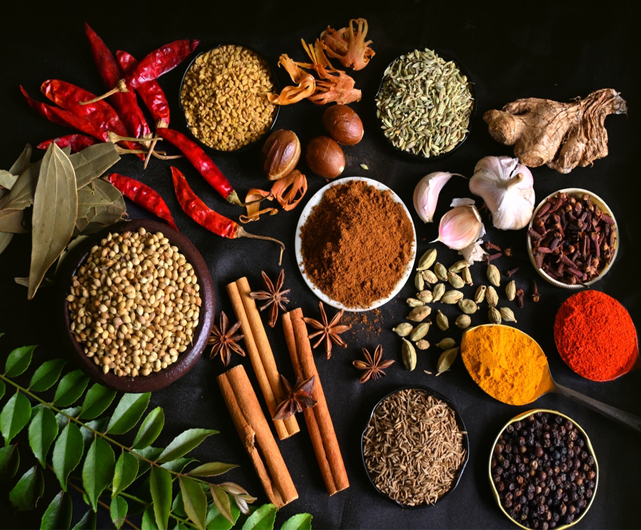
Spices are aromatic substances derived from various parts of plants—such as seeds, bark, roots, fruits, and flowers—used primarily to flavor, preserve, and enhance the color of food, as well as for medicinal and cultural purposes. Unlike herbs, which typically come from the leafy green parts of plants, spices are often dried and more potent in flavor and aroma. Common spices include black pepper, cinnamon, cloves, turmeric, cumin, cardamom, and nutmeg, each contributing unique taste profiles and health benefits. Rich in essential oils, antioxidants, and bioactive compounds, spices have long been valued not only for culinary applications but also for their therapeutic properties, such as anti-inflammatory, antimicrobial, and digestive benefits
The history of spices is deeply intertwined with global trade and exploration, having shaped economies, cultures, and even led to the discovery of new continents during the Spice Trade era. Spices are cultivated predominantly in tropical and subtropical regions, with countries like India, Indonesia, Sri Lanka, and Vietnam being major producers and exporters. Their quality depends on factors such as soil, climate, harvesting methods, and post-harvest processing. In modern times, the demand for organic and sustainably sourced spices has grown, driven by health-conscious consumers and global cuisine trends. Spices continue to play a vital role in culinary arts, traditional medicine, religious rituals, and the global food industry.