Shilajit
Send an Enquiry
Shilajit
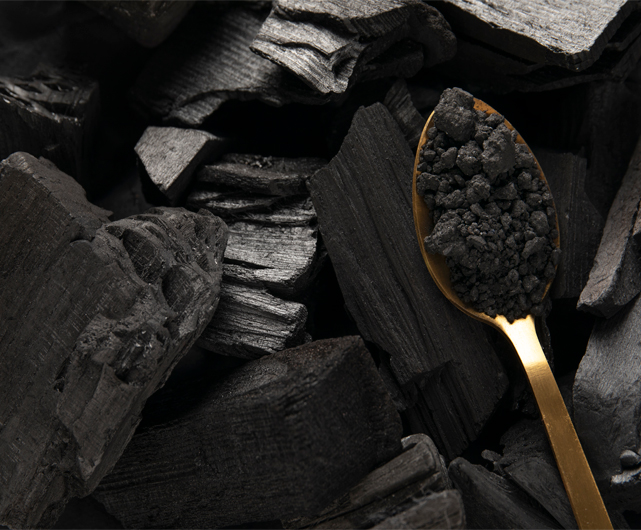
Shilajit is a potent, mineral-rich resinous substance formed over centuries by the gradual decomposition of plant and microbial matter in the high-altitude rocks of the Himalayas and other mountain ranges, such as the Altai, Caucasus, and Gilgit-Baltistan regions. It is a key component of Ayurvedic and traditional Unani medicine, revered for its rejuvenating and adaptogenic properties. Shilajit appears as a sticky, tar-like material that oozes from rocks during warm weather and is purified for medicinal use. It contains over 80 minerals in ionic form, including fulvic acid, humic acid, iron, zinc, magnesium, and various antioxidants, which contribute to its wide range of health benefits. Traditionally used as a Rasayana (rejuvenator), Shilajit is believed to enhance strength, stamina, energy, memory, and libido. Modern research supports its potential role in improving testosterone levels in men, increasing mitochondrial function (cellular energy), supporting cognitive health, boosting immunity, and managing conditions like chronic fatigue, anemia, and high-altitude sickness.
Its fulvic acid content is particularly prized for aiding nutrient absorption, detoxification, and anti-inflammatory action. Shilajit is typically consumed in resin, powder, or capsule form, and must be properly purified to remove heavy metals and impurities. While considered safe when sourced and used correctly, impure or synthetic Shilajit can pose health risks. Due to its powerful bioactive profile, Shilajit has gained increasing attention in the global supplement market as a natural remedy for enhancing vitality, endurance, and holistic wellness.