Garments
Send an Enquiry
Garments
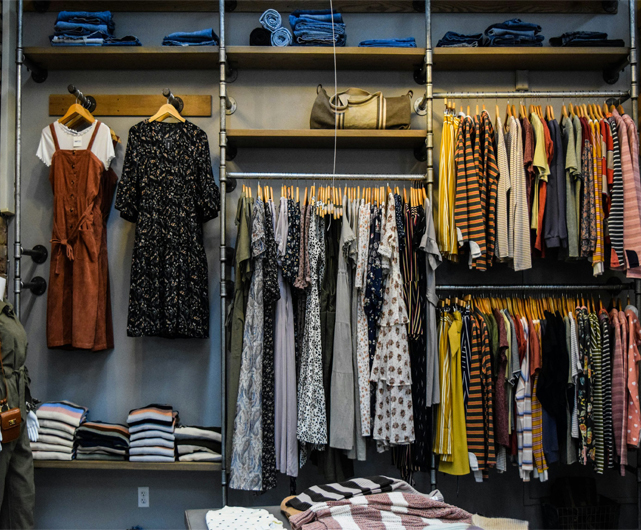
Garments are textile-based products designed to be worn on the human body for purposes that span protection, modesty, comfort, and expression. They are made from a wide variety of fabrics such as cotton, wool, silk, polyester, and blends, and they can be crafted through processes like weaving, knitting, or non-woven techniques. Garments come in numerous forms including shirts, trousers, dresses, jackets, and undergarments, each serving different functions based on climate, culture, and occasion. The garment production process involves several stages—designing, pattern making, cutting, sewing, finishing, and quality control—each requiring specialized skills and equipment.
The industry is a significant part of the global economy, providing employment to millions and contributing heavily to international trade, especially in countries like China, Bangladesh, India, and Vietnam. Beyond their functional role, garments also reflect cultural identity and social status, and are influenced by trends, seasons, and technological innovations such as smart fabrics or sustainable practices. In recent years, the focus on ethical production, labor rights, and eco-friendly materials has gained momentum, reshaping how garments are produced and consumed worldwide.