Ashwagandha
Send an Enquiry
Ashwagandha
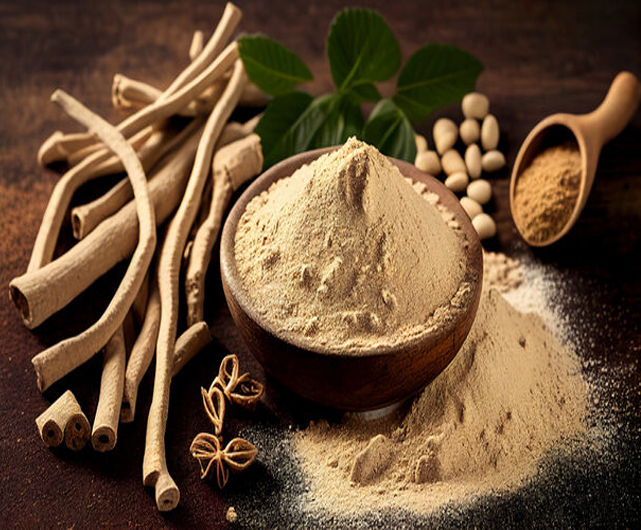
Ashwagandha (Withania somnifera), also known as Indian ginseng or winter cherry, is a powerful adaptogenic herb widely used in traditional Ayurvedic medicine for over 3,000 years. Native to India, the Middle East, and parts of Africa, this small shrub belongs to the Solanaceae (nightshade) family and is prized for its roots and leaves, which contain active compounds like withanolides, alkaloids, and saponins. Ashwagandha is best known for its adaptogenic properties—helping the body adapt to physical, emotional, and environmental stress by regulating cortisol levels and supporting adrenal function. Scientifically studied for its wide range of health benefits, Ashwagandha has shown promise in reducing anxiety and depression, improving sleep quality, enhancing cognitive function and memory, increasing strength and muscle mass, and boosting male fertility by improving testosterone levels and sperm quality.
It also supports immune function, reduces inflammation, and helps regulate blood sugar and cholesterol levels. In traditional uses, it is considered a Rasayana, or rejuvenator, believed to promote vitality, longevity, and overall well-being. Ashwagandha is typically consumed in powdered form, capsules, or tinctures and is often combined with other herbs in Ayurvedic formulations. While generally safe, it may interact with certain medications and is not recommended for pregnant women without medical supervision. As interest in holistic and plant-based health continues to grow, Ashwagandha has gained global popularity as a natural supplement for stress management and overall wellness.